
Undocu Rutgers helps undocumented students as immigration crackdowns cause concerns
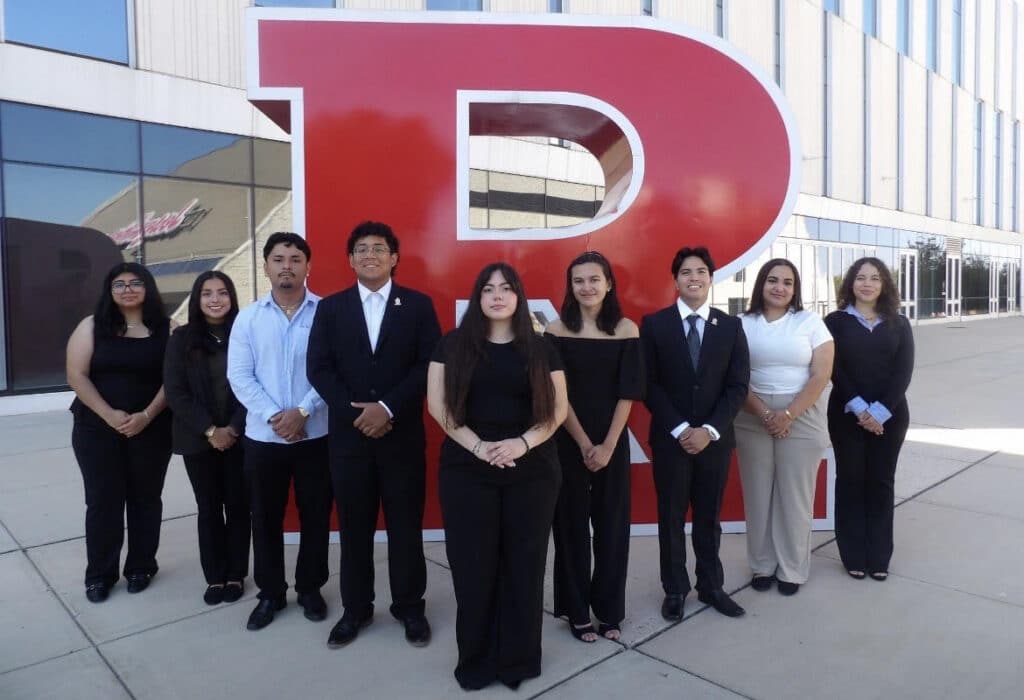
Photo courtesy of Undocu Rutgers
With nationwide immigration enforcement crackdowns creating uncertainty for some students on campus, student organizations and University programs offer aid to students impacted.
Undocu Rutgers, a student organization for immigrant student advocacy, works to make sure undocumented students have the opportunity to discuss their problems and hear what resources are available to them.
Melany Keller, public relations co-chair of Undocu, says the immigration crackdowns have made some students worried for the future of their education and question their safety when going to classes.
“[undocumented students] live in fear everyday to get involved, to just live their everyday lives,” Keller said. “If you want to have a voice, that comes at the cost of: ‘What if my parents get deported’, ‘What if I get deported, and ‘What if information is leaked out about me.”
Undocu holds events to educate undocumented students on their rights and to help immigrant students feel more comfortable on campus. The group also distributes “Know Your Rights” cards at campus events and cultural centers so students know their legal rights in case they are questioned by federal agents.
According to Keller, Undocu is currently establishing a network among University organizations to report immigration enforcement agents on campus.
Keller noted that Undocu’s reporting network will include ways to educate students on how to safely identify and report immigration enforcement operations, while minimizing hysteria. This comes after false reports of federal agents on campus spread among students last semester.
“The presentation just included information on how to correctly identify ICE officers, because we don’t want to cause mass hysteria,” Keller said.
Keller noted that students may also report immigration enforcement sightings to Undocu’s Instagram page, @undocurutgers, and stressed the importance of being clear and descriptive in reports to avoid spreading inaccuracies.
Keller discussed working with The Rutgers Immigrant Community Assistance Program run by the Rutgers Law School. RICAP is a free and confidential legal consultation service available to any Rutgers students concerned about their legal status.
Erin Sweeney, managing attorney for RICAP, says her team is prepared for a significant number of students with concerns about the immigration enforcement crackdowns this semester.
“Becuase of the constant flow of changes, we anticipate continually seeing more and more requests for consults this semester, but we’re available,” Sweeney said.
RICAP also helps students navigate sudden green card cancellations and consults with students concerned about the legal status of a loved one.
Sweeney said any student who thinks her team can help their situation should email RICAP and note any need for urgent help. She also noted their emergency hotline, 973-803-8008, for immediate immigration related emergencies, such as being detained or witnessing another student being detained.
“Our number one focus at RICAP is to make sure that these wonderful minds that are here studying here at Rutgers can focus on research and education and going to class, and not have to worry about everything else that’s going on in their lives with immigration,” Sweeney said.
Keller also noted Undocu’s work with other University organizations, including the Center for Latino Arts and Culture and the Rutgers student assembly.
Undocu is currently co-sponsoring a RUSA bill authored by Undocu co-president Destiny Rosales. The bill, titled the “Education without Borders Bill” commits the assembly to working with Undocu on a protocol in case immigration enforcement comes to campus, which will then be presented to University administration. The bill also calls for University administration to take more active steps to protect undocumented student rights.
Keller said more public support from University administration could ease some concerns felt by students.
“The presence of undocumented students isn’t really validated other than in RUSA…,” Keller said. “We do want to see that direct support. Unfortunately, I wouldn’t say we have yet.”
The “Education without Borders Bill” will be presented and voted on at a RUSA meeting Thursday, February 12.
Story by Andrew Hawthorne and Noah Choi